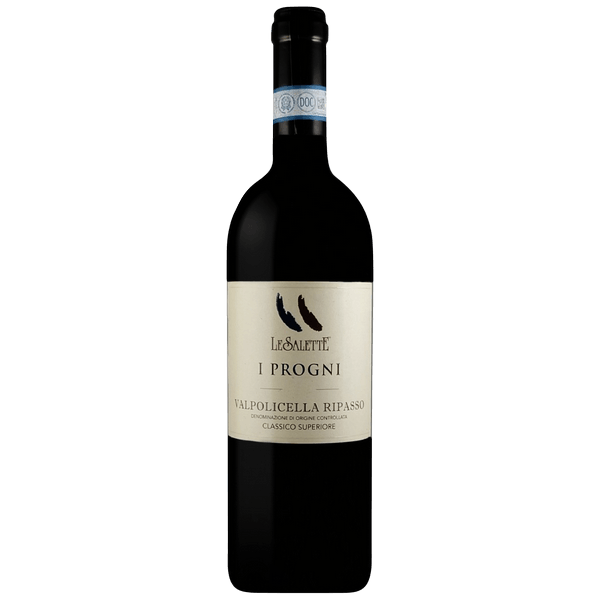
2018 Le Salette Valpolicella Classico
2018 Le Salette Valpolicella Classico Ruby red. Fresh, fruit nose with cherry notes. Soft with balanced acidity. Versatile wine that can be enjoyed throughout a meal.
Le Salette
For generations the Scamperle family has dedicated itself to growing grapes, and, over the years, to gradually increasing the number of grapevines.
Today the family owns twenty cultivated hectares, situated here and there among the most renowned places of the Valpolicella Classica Doc area: Fumane Cà Carnocchio, I Progni e Cà Melchiori, Sant’Ambrogio Conca D’Oro and in San Floriano Monte Masua. The type of grapes produced are the most classical types of the zone: Corvina, Corvinone, Rondinella, Oseleta, a small quantity of Molinara, and Croatina.
The vineyard has grown slowly and carefully, always respecting the local technique which is sensitive to nature and has followed nature’s rhythm to bring out the originality and characteristics of the grapes.
Valpolicella
Among the ranks of Italy’s quintessential red wines, Valpolicella literally translates to the “valley of cellars” and is composed of a series of valleys (named Fumane, Marano and Negrare) that start in the pre-alpine Lissini Mountains and end in the southern plains of the Veneto. Here vineyards adorn the valley hillsides, rising up to just over 1,300 feet.
The classification of its red wines makes this appellation unique. Whereas most Italian regions claim the wines from one or two grapes as superior, or specific vineyards or communes most admirable, Valpolicella ranks the caliber of its red wines based on delimited production methods, and every tier uses the same basic blending grapes.
Corvina holds the most esteem among varieties here and provides the backbone of the best reds of Valpolicella. Also typical in the blends, in lesser quantities, are Rondinella, Molinara, Oseleta, Croatina, Corvinone and a few other minor red varieties.
Valpolicella Classico, the simplest category, is where the region’s top values are found and resembles in style light and fruity Beaujolais. The next tier of reds, called Valpolicella Superiore, represents a darker and more serious and concentrated expression of Valpolicella, capable of pairing with red meat, roast poultry and hard cheeses.
Most prestigious in Valpolicella are the dry red, Amarone della Valpolicella, and its sweet counterpart, Recioto della Valpolicella. Both are created from harvested grapes left to dry for three to five months before going to press, resulting in intensely rich, lush, cerebral and cellar-worthy wines.
Falling in between Valpolicella Superiore and Amarone is a style called Valpolicella Ripasso, which has become immensely popular only since the turn of the century. Ripasso literally means “repassed” and is made by macerating fresh Valpolicella on the pressed grape skins of Amarone. As a result, a Ripasso will have more depth and complexity compared to a regular Superiore but is more approachable than an Amarone.
Related products
2019 Domaine des Lambrays Morey-Saint-Denis 2019 Domaine des Lambrays Morey-Saint-Denis, Nice red ruby color. The nose is expressive and intense: a lot of fruit such as raspberries, cherries, blackberries and blueberries all mixed together. The palate is juicy, full, and crispy, with a lovely fresh mineral character at the end. Thin-skinned, finicky and temperamental, Pinot [...]
Wines!
2023
A harmonious and expressive blend, Chakana Red brings together the richness of carefully selected grape varieties to create a smooth and versatile wine. Deep ruby in color, it opens with inviting aromas of ripe red and dark fruits such as cherry, plum, and blackberry, complemented by subtle notes of spice, cocoa, and a hint of [...]