-
×
 2019 Umani Ronchi San Lorenzo Rosso Conero
1 × $21.00
2019 Umani Ronchi San Lorenzo Rosso Conero
1 × $21.00 -
×
 2019 Jean-Claude Bachelet Saint-Aubin 1er Cru Derriere La Tour Rouge
1 × $64.00
2019 Jean-Claude Bachelet Saint-Aubin 1er Cru Derriere La Tour Rouge
1 × $64.00 -
×
 2022 Antonin Rodet Macon-Villages Blanc 750ML
1 × $23.99
2022 Antonin Rodet Macon-Villages Blanc 750ML
1 × $23.99 -
×
2021 Sartarelli Tralivio Verdicchio dei Casteli di Jesi Classico Superiore
1 × $21.00
-
×
2017 Johanneshof Reinisch Thermenregion St. Laurent Ried Holzspur 750ML
1 × $76.99
-
×
2021 Apres Wine Vin de Savoie Rose 750ML
1 × $23.99
-
×
2020 Domaine Berthet Rayne Chateauneuf-du-Pape Rouge
1 × $48.00
-
×
2022 Domaine Nicolas Boudeau Beaujolais-Villages Grain De Rosee 750ML
1 × $17.99
-
×
2017 Domaine Berthet Rayne Chateauneuf-du-Pape Cuvee Cadiac
1 × $66.00
-
×
2018 Fontanabianca Barbaresco Bordini
1 × $51.00
-
×
2023 Zenato Lugana San Benedetto 750ML
1 × $18.99
-
×
2008 Chateau Haut-Bages Liberal 750ML
1 × $65.99
-
×
2022 Kosta Browne Chardonnay One Sixteen
1 × $87.99
-
×
2015 Fattoria Le Pupille Morellino di Scansano Riserva
1 × $33.00
-
×
 NV Vignobles Vellas Petit Syrah Premium Ultra Rare L'enfant Infernal 750ML
1 × $29.99
NV Vignobles Vellas Petit Syrah Premium Ultra Rare L'enfant Infernal 750ML
1 × $29.99 -
×
2021 Montecastro Ribera del Duero 750ML
1 × $27.99
-
×
 Chateau Paveil de Luze 2019
1 × $29.99
Chateau Paveil de Luze 2019
1 × $29.99 -
×
2021 Austin Hope Cabernet
1 × $59.99
-
×
2022 Gini Soave Classico
1 × $21.00
-
×
Haslinger Brut Champagne
1 × $29.99
-
×
Billecart-Salmon Brut Rose 750ML NY Item
1 × $109.99
-
×
2018 Ca' del Baio Vallegrande Barbaresco
1 × $49.00
-
×
2021 Broadbent Ilha da Madeira Branco 750ML
1 × $20.99
-
×
 2023 Little Boat Russian River Chardonnay
1 × $34.99
2023 Little Boat Russian River Chardonnay
1 × $34.99 -
×
2021 Fulcrum On Point Pinot Noir
1 × $39.99
-
×
2020 Gini Soave Classico La Frosca
2 × $35.00
-
×
2021 Massolino Barbera d'Alba
1 × $29.00
-
×
2011 Araujo Estate Winery Cabernet Sauvignon Eisele Vineyard Napa Valley 750ML
1 × $461.99
-
×
2018 Massolino Barolo
1 × $62.00
-
×
 2022 Vincent Dauvissat Chablis 1er Cru La Forest 750ML
1 × $139.99
2022 Vincent Dauvissat Chablis 1er Cru La Forest 750ML
1 × $139.99
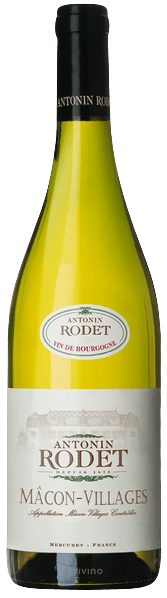 2022 Antonin Rodet Macon-Villages Blanc 750ML
  2017 Johanneshof Reinisch Thermenregion St. Laurent Ried Holzspur 750ML
 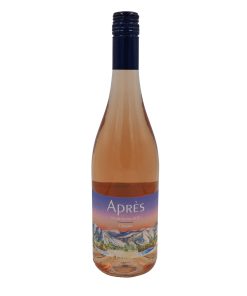 2021 Apres Wine Vin de Savoie Rose 750ML
 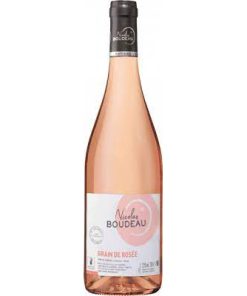 2022 Domaine Nicolas Boudeau Beaujolais-Villages Grain De Rosee 750ML
 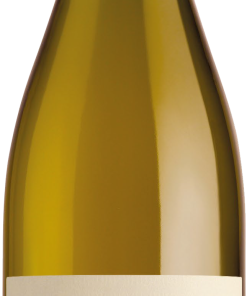 2023 Zenato Lugana San Benedetto 750ML
 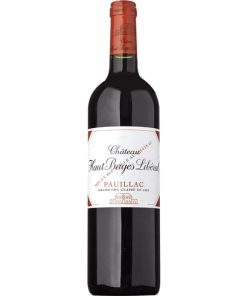 2008 Chateau Haut-Bages Liberal 750ML
 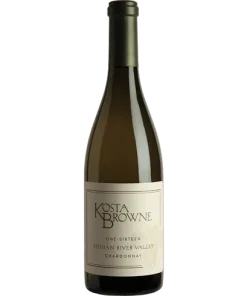 2022 Kosta Browne Chardonnay One Sixteen
 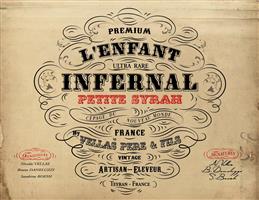 NV Vignobles Vellas Petit Syrah Premium Ultra Rare L'enfant Infernal 750ML
  2021 Montecastro Ribera del Duero 750ML
 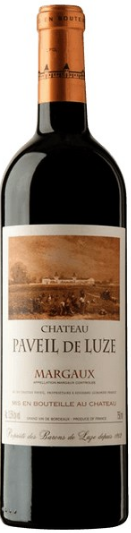 Chateau Paveil de Luze 2019
 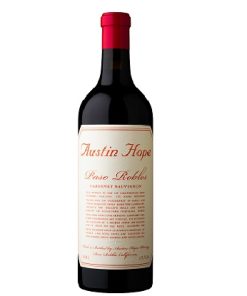 2021 Austin Hope Cabernet
  Haslinger Brut Champagne
  Billecart-Salmon Brut Rose 750ML NY Item
  2021 Broadbent Ilha da Madeira Branco 750ML
  2023 Little Boat Russian River Chardonnay
 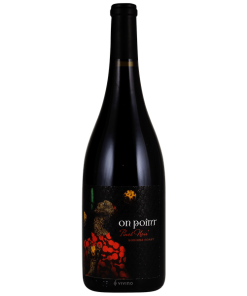 2021 Fulcrum On Point Pinot Noir
 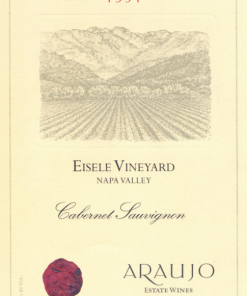 2011 Araujo Estate Winery Cabernet Sauvignon Eisele Vineyard Napa Valley 750ML
 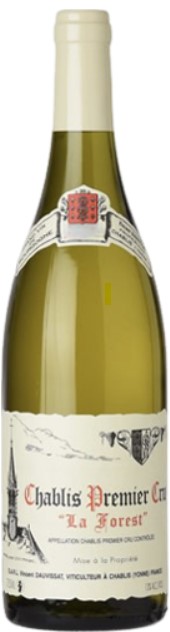 2022 Vincent Dauvissat Chablis 1er Cru La Forest 750ML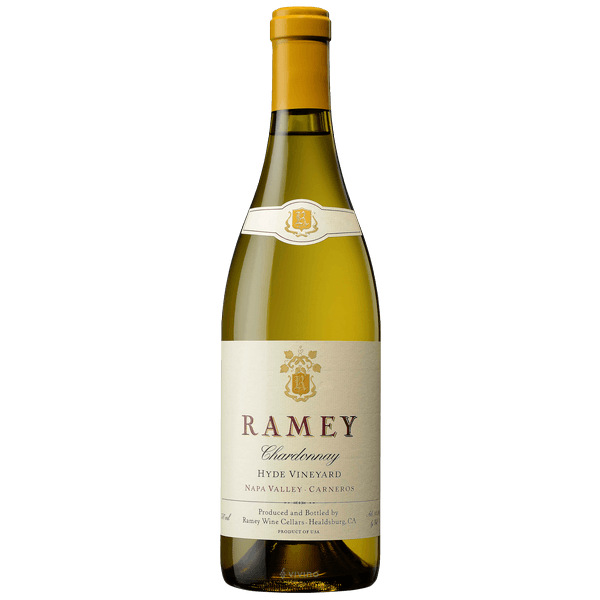
2018 Ramey Chardonnay Hyde Vineyard
2018 Ramey Chardonnay Hyde Vineyard Powerful, sleek and well-structured, with rich minerality and savoriness to fresh-cut apple and pear flavors, backed by crackling acidity. Dried mint and sea salt accents linger on the spicy finish, with toasty notes.
Chardonnay
Chardonnay is the world’s most famous white-wine grape and also one of the most widely planted. Although the most highly regarded expressions of the variety are those from Burgundy and California, many high-quality examples are made in Italy, Australia, New Zealand and parts of South America.
Describing the flavors of Chardonnay is not easy. While many Chardonnay wines have high aromatic complexity, this is usually due to winemaking techniques (particularly the use of oak) rather than the variety’s intrinsic qualities. Malolactic fermentation gives distinctive buttery aromas. Fermentation and/or maturation in oak barrels contributes notes of vanilla, smoke and hints of sweet spices such as clove and cinnamon. Extended lees contact while in barrel imparts biscuity, doughy flavors. Because of this high level of winemaker involvement, Chardonnay has become known as the “”winemaker’s wine””.
The variety itself (although often said to be relatively flavor-neutral) is responsible for most of the fruity flavors found in Chardonnay wines. These range from the tropical (banana, melon, pineapple and guava) to stonefruits (peach, nectarine and apricot), citrus and apples.
Climate plays a major role in dictating which fruit flavors a Chardonnay will have. Broadly speaking, warm regions such as California, Chile and much of Australia tend to give more tropical styles. Temperate zones such as southern Burgundy or northern New Zealand create wines marked out by stonefruit notes. The very coolest Chardonnay vineyards (those in Chablis, Champagne and Germany) lean towards green-apple aromas.
Mineral descriptors such as chalk, wet stones and crushed seashells also find their way into Chardonnay tasting notes. These are sometimes attributed to the soils in the vineyard, although the relationship between soil and wine flavor has become widely exaggerated. The most famously minerally Chardonnay wines are those of Chablis, one of the very few wine regions to focus on a largely unoaked style of Chardonnay.
Although most famous for its still, dry wines, Chardonnay is used to produce an impressively diverse range of wine styles. The variety is put to use in sparkling wines all over the world (most famously Champagne), when it is usually paired with Pinot Noir. It can also be found in sweet botrytized and late-harvest wines; Canada even produces sweet Chardonnay ice wines.
Chardonnay is particularly popular with wine producers, not least because it has a reliable market of keen consumers. The variety produces relatively high yields, will grow in a broad spectrum of climates and can be made into wine of acceptable quality with relative ease. In poor vintages, deficiencies can be covered up with oak flavors, reducing the financial impact of a bad harvest.
Related products
$77.00
2020 Jean-Claude Bachelet Saint-Aubin 1er Cru Blanc 2020 Jean-Claude Bachelet Saint-Aubin 1er Cru Blanc Aromas of sweet orchard fruit, dried white flowers, beeswax and freshly baked bread preface the 2020 Saint-Aubin 1er Cru Charmois, a medium to full-bodied, satiny and precise wine with a bright core of fruit, lively acids and a long, saline finish. [...]
Deal
Wines!
Wines!
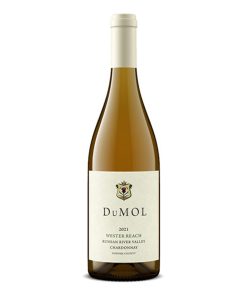
Chardonnay
Original price was: $79.99.$59.99Current price is: $59.99.
95pts WE
Deal
Wines!
Wines!
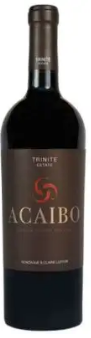
Original price was: $89.99.$48.99Current price is: $48.99.
Save 46% 95pts Decanter 94pts Suckling 93pts Parker’s WA Drinks Like Silver Oak