-
×
 Hampton Water Rose 2024
1 × $18.99
Hampton Water Rose 2024
1 × $18.99
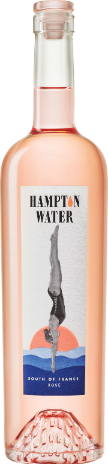 Hampton Water Rose 2024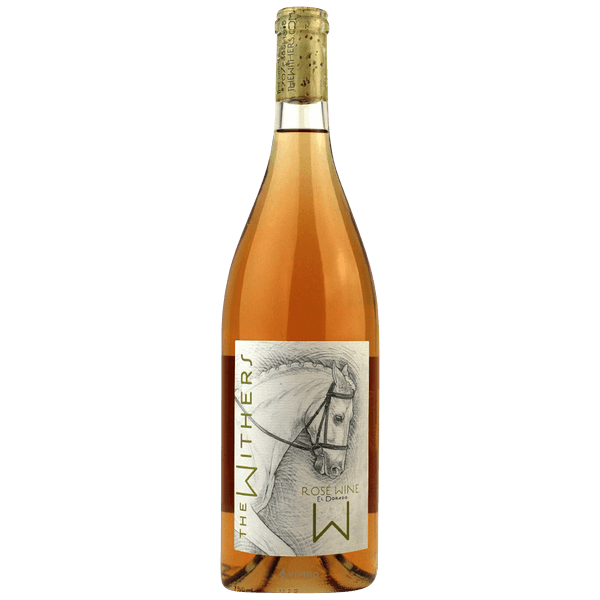
2019 The Withers Rose El Dorado
2019 The Withers Rose El Dorado This Bandol-inspired Rosé is a beauty, featuring aromas and flavors of citrus and stone fruits, highlighted by cherry, watermelon rind, grapefruit, nectarine and peach flavors. The Wine has firm balancing acidity and both inviting aromas and a long finish on the palate. The medium bodied frame is layered, textured, balanced and elegant.
Rosé
A rosé (from French, rosé [ʁoze]) is a type of wine that incorporates some of the color from the grape skins, but not enough to qualify it as a red wine. It may be the oldest known type of wine, as it is the most straightforward to make with the skin contact method. The pink color can range from a pale “onion-skin” orange to a vivid near-purple, depending on the grape varieties used and winemaking techniques. Usually, the wine is labelled rosé in French, Portuguese, and English-speaking countries, rosado in Spanish, or rosato in Italian.
There are three major ways to produce rosé wine: skin contact, saignée, and blending. Rosé wines can be made still, semi-sparkling or sparkling and with a wide range of sweetness levels from highly dry Provençal rosé to sweet White Zinfandels and blushes. Rosé wines are made from a wide variety of grapes and can be found all around the globe.
When rosé wine is the primary product, it is produced with the skin contact method. Black-skinned grapes are crushed and the skins are allowed to remain in contact with the juice for a short period, typically two to twenty hours. The grape is then pressed and the skins discarded, rather than left in contact throughout fermentation (as with red wine making). The longer the skins are left in contact with the juice, the more intense the color of the final wine.
When a winemaker desires to impart more tannin and color to red wine, some of the pink juice from the must can be removed at an early stage in what is known as the Saignée (from French bleeding) method. The red wine remaining in the vats is intensified as a result of the bleeding, because the volume of juice in the must is reduced, and the must involve in the maceration becomes more concentrated. The pink juice that is removed can be fermented separately to produce rosé.
The simple mixing of red wine into white wine to impart color is uncommon and is discouraged in most wine growing regions, especially in France, where it is forbidden by law, except for Champagne. Even in Champagne, several high-end producers do not use this method but rather the saignée method.
Related products
Deal
Wines!
Wines!
Uncategorized
Original price was: $29.99.$19.99Current price is: $19.99.
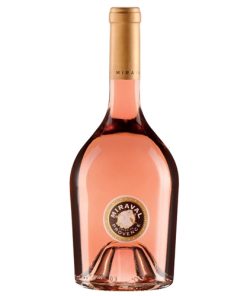
Save 33% The Quintessential Provencal Rose
Deal
Wines!
Wines!
Original price was: $39.99.$24.99Current price is: $24.99.
Bold, rich, and beautifully expressive, Morambro Creek Shiraz is a premium South Australian red wine that captures the essence of its renowned terroir with remarkable depth and character. Crafted from carefully selected Shiraz grapes, this elegant wine showcases intense fruit concentration, refined oak integration, and exceptional balance, delivering a sophisticated tasting experience for lovers of [...]
Deal
Wines!
Wines!
Original price was: $60.99.$43.99Current price is: $43.99.
An iconic flagship wine from the heart of the Barossa Valley, Thorn-Clarke Wm Randell Cabernet Sauvignon is a masterfully crafted expression of Australia’s most distinguished Cabernet Sauvignon. Sourced from exceptional vineyard parcels and matured in premium French oak, this prestigious wine embodies elegance, power, and remarkable aging potential, reflecting the winery’s unwavering commitment to excellence. [...]
Deal
Wines!
Wines!
Original price was: $40.99.$30.99Current price is: $30.99.
A convenient yet high-quality expression of Argentina’s iconic varietal, Maipe Malbec BIB delivers richness, smoothness, and everyday drinkability in a practical format. Deep purple in color with violet hues, this wine opens with inviting aromas of ripe plum, fig, strawberry, and delicate floral notes, enhanced by subtle spice undertones. On the palate, it is round [...]