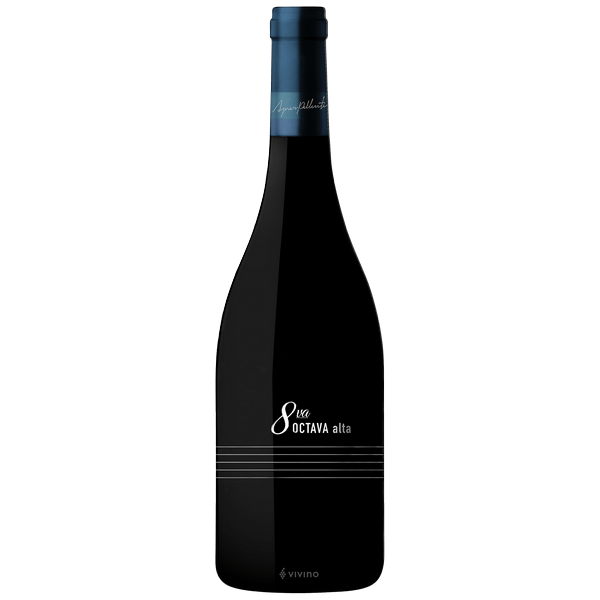
2013 Abremundos Octava Alta
2013 Abremundos Octava Alta Bright dark red in color. Aromas of blackberry, licorice and violet, along with a very ripe touch of dark chocolate. Densely packed and slightly warm, showing very good dark berry intensity and complicating notes of licorice and violet. Finishes with substantial dusty tannins and good length. This wine boasts more definition and verve than the 2014 Malbec Reserve, with the tannins coating the sides of the tongue.
“Lots of blackberry, grape skin and mineral aromas. Hints of licorice. Full body, velvety tannins and a flavorful finish. A blend of 80% malbec with 20% cabernet franc. Drink or hold.”
Red wine
Red wine has been prevalent since prehistory (the period before written records) as winemaking originated and spread throughout the world. In this case, “red blend” refers to any red wine that contains more than one red grape variety in the final product, though certain red blends can have their own designation as varietal wines despite comprising multiple grapes.
For much of the history of European wine, red blends were in fact more common than single varietals, as winemaking was typically region-centric and featured grapes consolidated from vineyards across a given area. One famous example of this practice is the Bordeaux blend, which originated in the 18th or 19th century and usually comprises Cabernet Sauvignon, Merlot and Cabernet Franc.
Though prominent red blends such as Bordeaux still remain popular, many red blends have been associated with lower quality due to the assumption that the term indicates cheaper table wines. However, many high-quality wine producers still elect to produce red blends, and these wines can in fact offer many unique and delicious flavors due to the winery’s ability to custom design the profile of their product.
Red blends are prepared from a variety of red grapes, usually crushed and fermented individually before any blending takes place. Finding the right blend often requires blending trials, where the winemaker tastes the wine and offers suggestions for how to modify the blend. This process is more common with new world blends, whereas traditional blends such as Bordeaux or Chianti can simply be produced following age-old practices. Aging potential varies, though many high-quality red blends can be aged in oak or bottle. Flavors also vary, though in general most red blends will have notes of red or black fruit.
Related products
Wines!
Argentina
Save 45% $21.99 96pts Suckling; 93pts Vinous; 92pts Parker.
2020 Domaine des Lambrays Clos des Lambrays Grand Cru 2020 Domaine des Lambrays Clos des Lambrays Grand Cru, A fresh red, with black currant and black cherry flavors shaded by floral, iron, earth and spice elements. Fluid and on the elegant side, with a solid underlying framework of tannins. Turns a bit leaner on the [...]
2018 Ca’ del Baio Vallegrande Barbaresco 2018 Ca’ del Baio Vallegrande Barbaresco has a garnet red color; intense nose, with powerful fruit, dried flowers and underbrush; dry taste, smooth and rounded, ending in a warm finish with nicely-balanced tannins. A natural match for roast and terrine meats, mature cheeses and fondues, meat and vegetable soups. [...]