-
×
 2019 Alvaro Palacios Priorat Gratallops
1 × $43.35
2019 Alvaro Palacios Priorat Gratallops
1 × $43.35
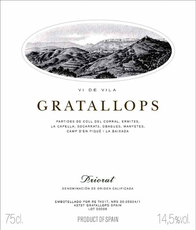 2019 Alvaro Palacios Priorat Gratallops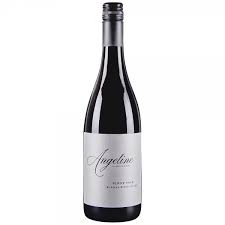
2019 Angeline Pinot Noir Russian River Valley
2019 Angeline Pinot Noir Russian River Valley Bright ruby center with crimson overtones at the edge. The nose shows warm and ripe dark cherry aromas, followed by blueberry, red plum, and cinnamon stick. Cherry cola flavors on the palate are complemented by violet, dried strawberry, and wild herbs. Juicy, warm, and plush on the palate, there’s a faint kiss of smoke in the backdrop.
92 James Suckling: A fresh, lively pinot with ripe-strawberry and orange-peel character and light cedar and floral notes. Medium body. Fine tannins. Crisp finish. Drink now. Screw cap.
Pinot Noir
Pinot Noir is the dominant red wine grape of Burgundy, now adopted (and extensively studied) in wine regions all over the world. The variety’s elusive charm has carried it to all manner of vineyards. These extend from western Germany (as Spätburgunder) and northern Italy to Chile, South Africa, Australia, New Zealand and the USA. California, Oregon and New Zealand are arguably the greatest centers for the grape outside its home territory. However great Pinot Noir is made in all of these territories.
The essence of Pinot Noir wine is its aroma of red berries and cherry (fresh red cherries in lighter wines and stewed black cherries in weightier examples). Many of the more complex examples show hints of forest floor. Well-built Pinot Noirs, particularly from warmer harvests, suggest leather and violets, sometimes recalling Syrah. There are two theories regarding the Pinot name. One is that it came about because their bunches are similar in shape to a pine cone (pinot in French). It may derive, however, from a place name in France such as Pinos or Pignols from where cuttings were obtained. Pignols in the Auvergne, for example, has cultivated Pinot since the Middle Ages.
It was previously believed that Pinot Noir, Pinot Blanc, Pinot Gris, Pinot Meunier, Pinot Précoce (Frühburgunder) et al were members of a “”Pinot Family”” of distinct grape varieties. But DNA profiling has shown them to share the same genetic fingerprint. Thus, they should properly be considered as mutations or clones of a common variety.
Related products
$47.99
Wine from California, United States

Out of stock
Uncategorized
$45.99
Wine from California, United States