-
×
 2021 Leonard Kreusch Piesporter Goldtropfchen Riesling Spatlese 750ML
1 × $16.99
-
×
 2021 Boundary Breaks No. 198 Reserve Riesling 750ML
2 × $22.99
-
×
2019 Didier Dagueneau Pouilly-Fume Silex 750ML
1 × $200.99
-
×
2022 Tablas Creek Patelin de Tablas Blanc Paso Robles
1 × $30.99
-
×
 2022 Garofoli Macrina Verdicchio dei Castelli di Jesi Classico Superiore 750ML
1 × $15.99
-
×
2020 Palazzone Orvieto Classico Superiore Campo del Guardiano 750ML
1 × $24.99
-
×
2019 Mas Martinet Clos Martinet Priorat
1 × $97.99
-
×
2018 Fattoria Le Pupille Poggio Valente Rosso IGT
1 × $56.00
-
×
2020 Clos Fourtet Saint-Emilion Grand Cru La Closerie De Fourtet 750ML
1 × $38.99
-
×
2022 Carl Graff Mosel Riesling Kabinett 750ML
1 × $16.99
-
×
2022 Quinta da Calcada Minho Alvarinho Terroir 750ML
1 × $17.99
-
×
2019 Chateau Haut-Bruly Saint-Emilion Grand Cru 750ML
1 × $18.99
-
×
Georges Duboeuf Flower Label Pouilly-Fuisse 750ML
1 × $41.99
-
×
Capuano Ferreri Chassagne-Montrachet Cuvee Prestige 2024 750ML
1 × $74.99
-
×
2019 Sette Ponti Oreno
1 × $87.99
-
×
2020 Chateau Latour-Martillac Blanc 750ML
1 × $43.99
-
×
2022 Domaine Damien Martin Macon-Verze 750ML
1 × $18.99
-
×
2018 Robert Foley The Griffin
1 × $36.99
-
×
2019 Larkmead Vineyards Firebelle
1 × $140.00
-
×
 2022 Trouillet Lebeau Macon Solutre-Pouilly 750ML
1 × $19.99
-
×
2022 Pahlmeyer Jayson Chardonnay
1 × $59.99
-
×
2020 Bott-Geyl Points Cardinaux Metiss 750ML
1 × $19.99
-
×
2021 Domaine Bousquet Grande Reserve Chardonnay 750ML
1 × $19.99
-
×
2017 Couly Dutheil Chinen Rouge Clos de l'Olive
1 × $39.00
-
×
2021 Jean-Marc Brocard Chablis Sainte Claire
1 × $32.00
-
×
2016 Domaine Armelle et Bernard Rion Nuits-Saint-Georges 1er Cru Les Damodes
1 × $106.00
-
×
2016 Domaine Armelle et Bernard Rion Nuits-Saint-Georges 1er Cru Marcel Heritage Vieilles Vignes
1 × $106.00
 2021 Boundary Breaks No. 198 Reserve Riesling 750ML
 2019 Didier Dagueneau Pouilly-Fume Silex 750ML
 2022 Tablas Creek Patelin de Tablas Blanc Paso Robles
 2022 Garofoli Macrina Verdicchio dei Castelli di Jesi Classico Superiore 750ML
 2020 Palazzone Orvieto Classico Superiore Campo del Guardiano 750ML
 2019 Mas Martinet Clos Martinet Priorat
 2020 Clos Fourtet Saint-Emilion Grand Cru La Closerie De Fourtet 750ML
 2022 Carl Graff Mosel Riesling Kabinett 750ML
 2022 Quinta da Calcada Minho Alvarinho Terroir 750ML
 2019 Chateau Haut-Bruly Saint-Emilion Grand Cru 750ML
 Georges Duboeuf Flower Label Pouilly-Fuisse 750ML
 Capuano Ferreri Chassagne-Montrachet Cuvee Prestige 2024 750ML
 2019 Sette Ponti Oreno
 2020 Chateau Latour-Martillac Blanc 750ML
 2022 Domaine Damien Martin Macon-Verze 750ML
 2018 Robert Foley The Griffin
 2019 Larkmead Vineyards Firebelle
 2022 Trouillet Lebeau Macon Solutre-Pouilly 750ML
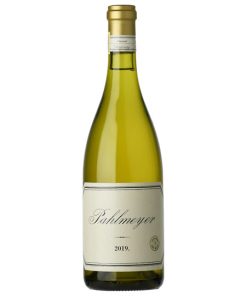 2022 Pahlmeyer Jayson Chardonnay
 2020 Bott-Geyl Points Cardinaux Metiss 750ML
 2021 Domaine Bousquet Grande Reserve Chardonnay 750ML
 2017 Couly Dutheil Chinen Rouge Clos de l'Olive
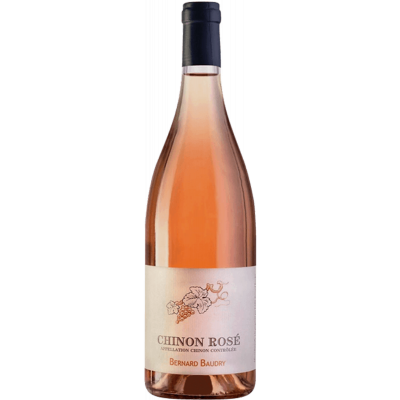
2020 Baudry Chinon Rose
2020 Baudry Chinon Rose Bernard Baudry Chinon Rosé is a dry wine, its color is pale pink due to direct press. Delicate, with notes of white fruit, it is a perfect aperitif wine or served with simple dishes, barbecue-grilled fish.
Rosé
A rosé (from French, rosé [ʁoze]) is a type of wine that incorporates some of the color from the grape skins, but not enough to qualify it as a red wine. It may be the oldest known type of wine, as it is the most straightforward to make with the skin contact method. The pink color can range from a pale “onion-skin” orange to a vivid near-purple, depending on the grape varieties used and winemaking techniques.
Usually, the wine is labelled rosé in French, Portuguese, and English-speaking countries, rosado in Spanish, or rosato in Italian. There are three major ways to produce rosé wine: skin contact, saignée, and blending. Rosé wines can be made still, semi-sparkling or sparkling and with a wide range of sweetness levels from highly dry Provençal rosé to sweet White Zinfandels and blushes. Rosé wines are made from a wide variety of grapes and can be found all around the globe. When rosé wine is the primary product, it is produced with the skin contact method.
Black-skinned grapes are crushed and the skins are allowed to remain in contact with the juice for a short period, typically two to twenty hours. The grape is then pressed and the skins discarded, rather than left in contact throughout fermentation (as with red wine making). The longer the skins are left in contact with the juice, the more intense the color of the final wine.
When a winemaker desires to impart more tannin and color to red wine, some of the pink juice from the must can be removed at an early stage in what is known as the Saignée (from French bleeding) method. The red wine remaining in the vats is intensified as a result of the bleeding, because the volume of juice in the must is reduced, and the must involve in the maceration becomes more concentrated.
The pink juice that is removed can be fermented separately to produce rosé. The simple mixing of red wine into white wine to impart color is uncommon and is discouraged in most wine growing regions, especially in France, where it is forbidden by law, except for Champagne. Even in Champagne, several high-end producers do not use this method but rather the saignée method.
Related products
$798.00
2020 Domaine des Lambrays Clos des Lambrays Grand Cru 2020 Domaine des Lambrays Clos des Lambrays Grand Cru, A fresh red, with black currant and black cherry flavors shaded by floral, iron, earth and spice elements. Fluid and on the elegant side, with a solid underlying framework of tannins. Turns a bit leaner on the [...]
Chateauneuf-du-Pape
$48.00
2020 Domaine Berthet Rayne Chateauneuf-du-Pape Rouge 2020 Domaine Berthet Rayne Chateauneuf-du-Pape Rouge Aromas of plums, cassis, and cherries presented in a medium bodied, spicy style with beautifully pure fruit, a savory mouthfeel, moderate but ripe, sweet tannin, and a long finish. VARIETAL COMPOSITION: 65% Grenache Noir, 20% Mourvèdre, 10% Cinsault, 5% Syrah. TERROIR: The estate [...]
Burgundy
2016 Domaine Armelle et Bernard Rion Nuits-Saint-Georges 1er Cru Marcel Heritage Vieilles Vignes
$106.00
2016 Domaine Armelle et Bernard Rion Nuits-Saint-Georges 1er Cru Marcel Heritage Vieilles Vignes 2016 Domaine Armelle et Bernard Rion Nuits-Saint-Georges 1er Cru Marcel Heritage Vieilles Vignes is a powerful, rich and complex wine, which is very round in the mouth with a leather finish. This fruity wine in its first years will become hardier and [...]
$106.00
2016 Domaine Armelle et Bernard Rion Nuits-Saint-Georges 1er Cru Les Damodes 2016 Domaine Armelle et Bernard Rion Nuits-Saint-Georges 1er Cru Les Damodes is light and elegant for the appellation. On palate, high acidity with smooth tannis together with balanced fruits and oak flavor. 2016 vintage Les Damodes is a premier cru site on the Nuits-Saint-Georges [...]